

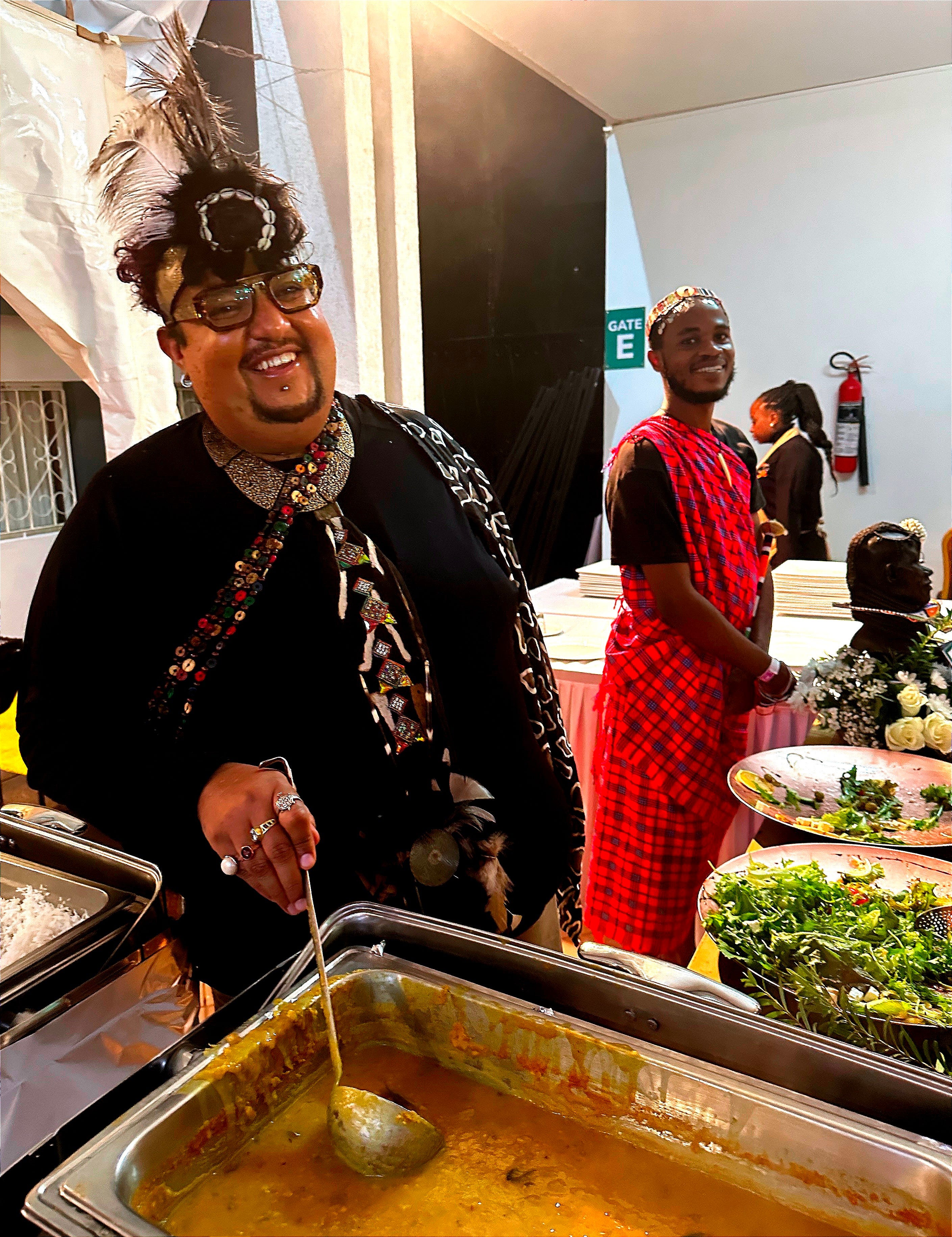
I looked out through the grills on the window and saw an irony. In Nairobi, these bars signaled added protection against bandits and, perhaps even a pinch of privilege. In contrast, at the jails and correction facilities I’ve worked in, the cell bars were meant to keep my patients from (impacting) the outside world.
What are the things we need to feel safe when we travel? I’ve often thought about how these thresholds are tested when we’re touring. I wondered where we were more likely to blur the lines on our limits: when we’re out galivanting or when we’re grounded in what’s familiar. Or perhaps, what worries us goes deeper than our location …
Kenya’s capital has had a rep from a security standpoint where serious caution has been a theme that’s translated into what one wears, where and when we wander and whatever else might seem provoking-esqe. Unfortunately, stories of shooting and looting, are not uncommon. Yet, it’s a place that posits purpose, potential and pride that often has somersaulted from one generation to another. I love Kenyans. Like vibrant train feathers of a peacock, their spice, solidarity and soul often shows off in their steadfastness, spunk and sensuality.
This may not be the first thing one appreciates stepping foot into Nairobi. Rather, thick congested roads (some crumbling ones too) carries traffic that snails more than it sails through the urban sprawl. Outside, there are telltale signs of the passage of time, of a people tied to tradition and of tastes that are shifting.
Food here, especially the nyama choma is not only to be missed swiftly after you’ve given into gluttony, but also, is highly recommended as a first stop - like literally once you land! The blend of spices grilled to perfection instigates the salivating sentiments of the sentence, “that was to die for”. These are those foods and meals that make memories and create comfort.


In spite of its prickly parts, Kenya can be a soft landing into Africa. There is no shortage of sights to swoon at, from the famous landmarks of Masai Mara, Lamu Island, Mombasa and more than 50 reserves and parks which protect and project wildlife. On previous trips, I’ve enjoyed the outdoors, here and elsewhere up close with lions and crocs. Instead of being in awe at wildlife migration, iconic beaches or Swahili coastal heritage, this time, I toured state-of-the-art facilities in healthcare.


I thought about the fact that “295,000 maternal deaths occurred in 2017, with the highest toll paid by Sub-Saharan Africa and South Asia”. My days with Doctors Without Borders was living a bucket list dream to make a small dent in this work. Such are my MSF memories where I supported many mammas to make childbirth as safe as it could be. So, when I saw the high fidelity simulation lab here, my spirit swelled with gratitude and pride. This Kenyan setting mirrors ones we train in too, where learners and the like could practice the critical skills we call on in crisis.
While we may be trepid to travel to regions where services are restricted, I think of the women for whom the ‘3 delays’ (to seek, reach and receive adequate care) are suffocating realities. The practicalities that plague many peoples may be something we can feel far from, but for me, I’m tugged to travel and work within this realm.
Like much of Africa, Kenya too has its juxtapositions. As part of the locus of origins of the human race, its 60 languages and all the sheer majesty of wildlife it offers, the country continues to rally. At “the international poverty rate, poverty in Kenya is projected to decline by half a percentage point to 34% in 2025”, and apparently, this is progress. On the flip side, well known amongst Kenya’s accolades is the 106 Olympic medals for marathon runners. Noteworthy too, is Kenyan-born Wangari Maathai, the founder of the tree planting Greenbelt Movement and, the first African female to win the Nobel Peace Prize in 2004. These efforts to combat climate change in the country are critical, especially as it affects Kenya’s prized aromatic AA grade coffee production, which some locals call “the black gold”.


As I sipped on such a cup sitting at the airport, another irony befell me: the daily wage of coffee plantation workers is less than the cost we pay for a few swigs ... Like many other places, Kenya is a land of have-nots, and haves. This begs questions of why we work and where we focus our energy, locally and globally. Clean cash can be hard to come by and while the stereotype of ‘corruption in Africa’ can be jaw-dropping, I wonder if we could let fear fade so as to scan our own settings for the same.
The pelting rains made the trip to the airport in the middle of the night a bit scary. I sipped the full body medium roast coffee and reminded myself that in her book The Light We Carry, Michelle Obama encourages us to seek out “comfortable fear”. For Kenyans, this seems to be easy peasy.
Traveling touches all of us in same-same and different ways. In some moments, the fears - of where to go, what foods to try, places to stay, how to engage with those that seem so different from us, the vulnerability we dive into - all that can slide on the spectrum of limiting to exhilarating.
If you’re looking for balls-y, beautiful and bashful, come (back) to Kenya!
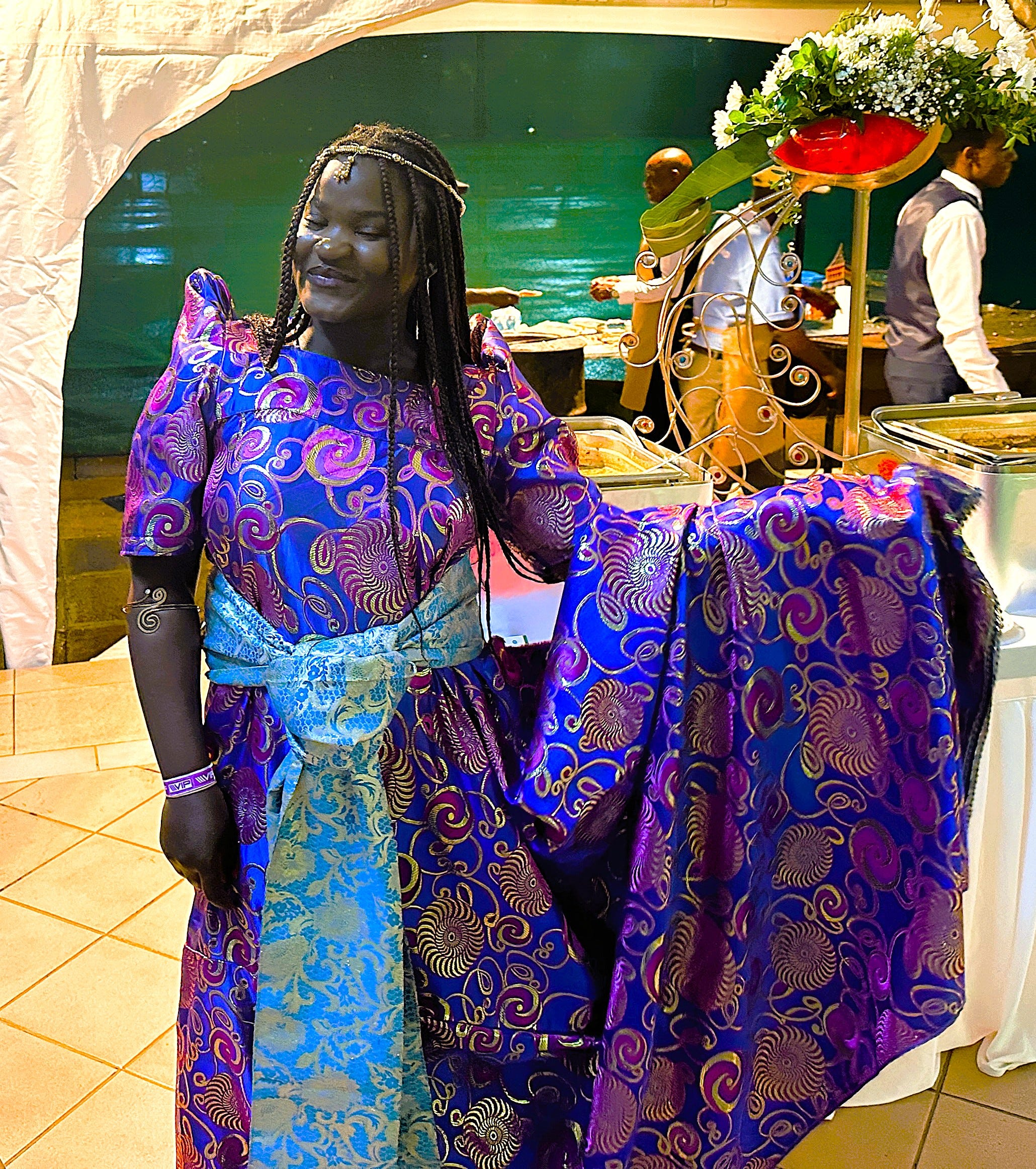
May we push past our fears as we travel the world and within,
One of my fav reads! Miss you and keep living your life colorfully sista :) - Sharmin